 Image 1 of 11
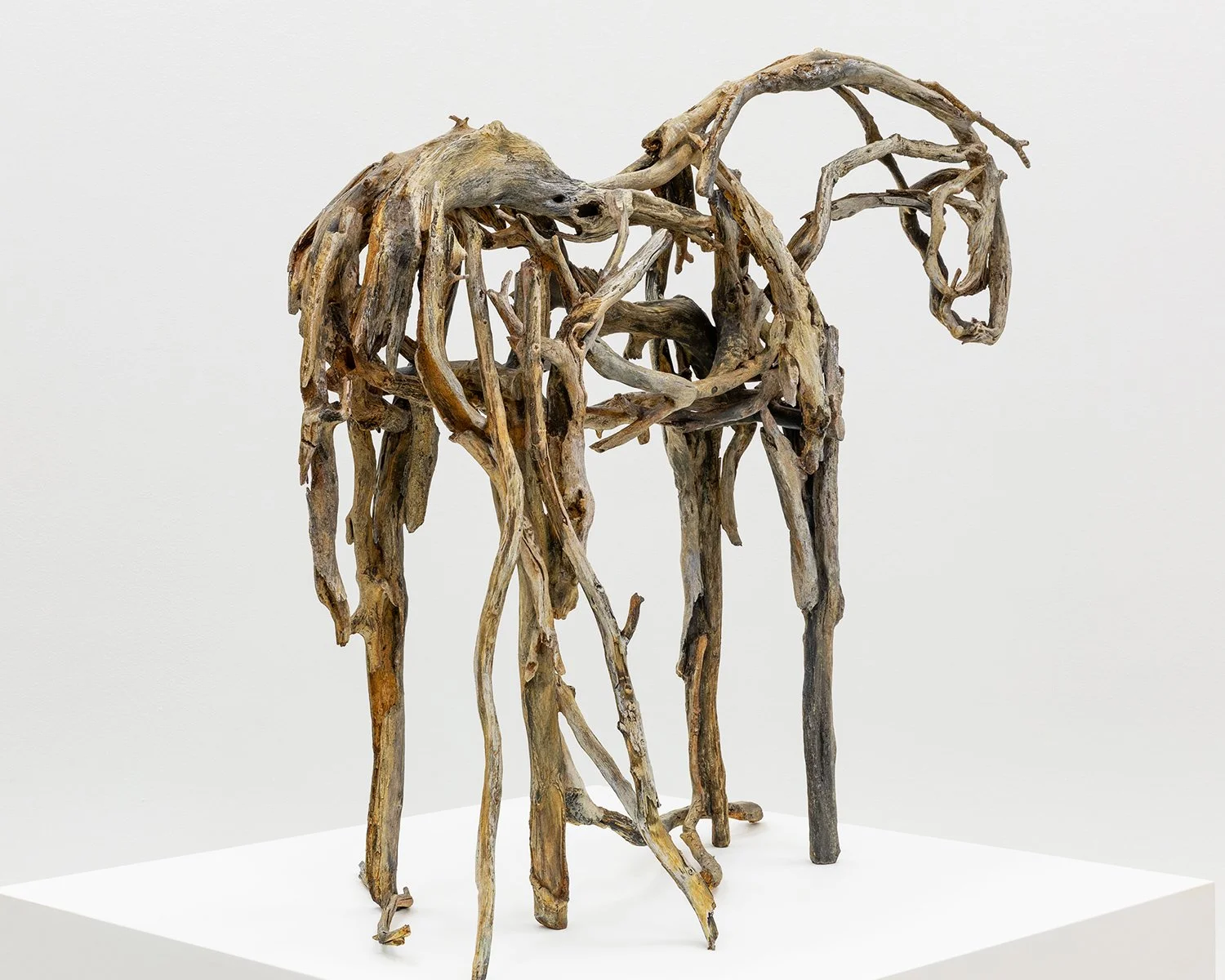 Image 2 of 11
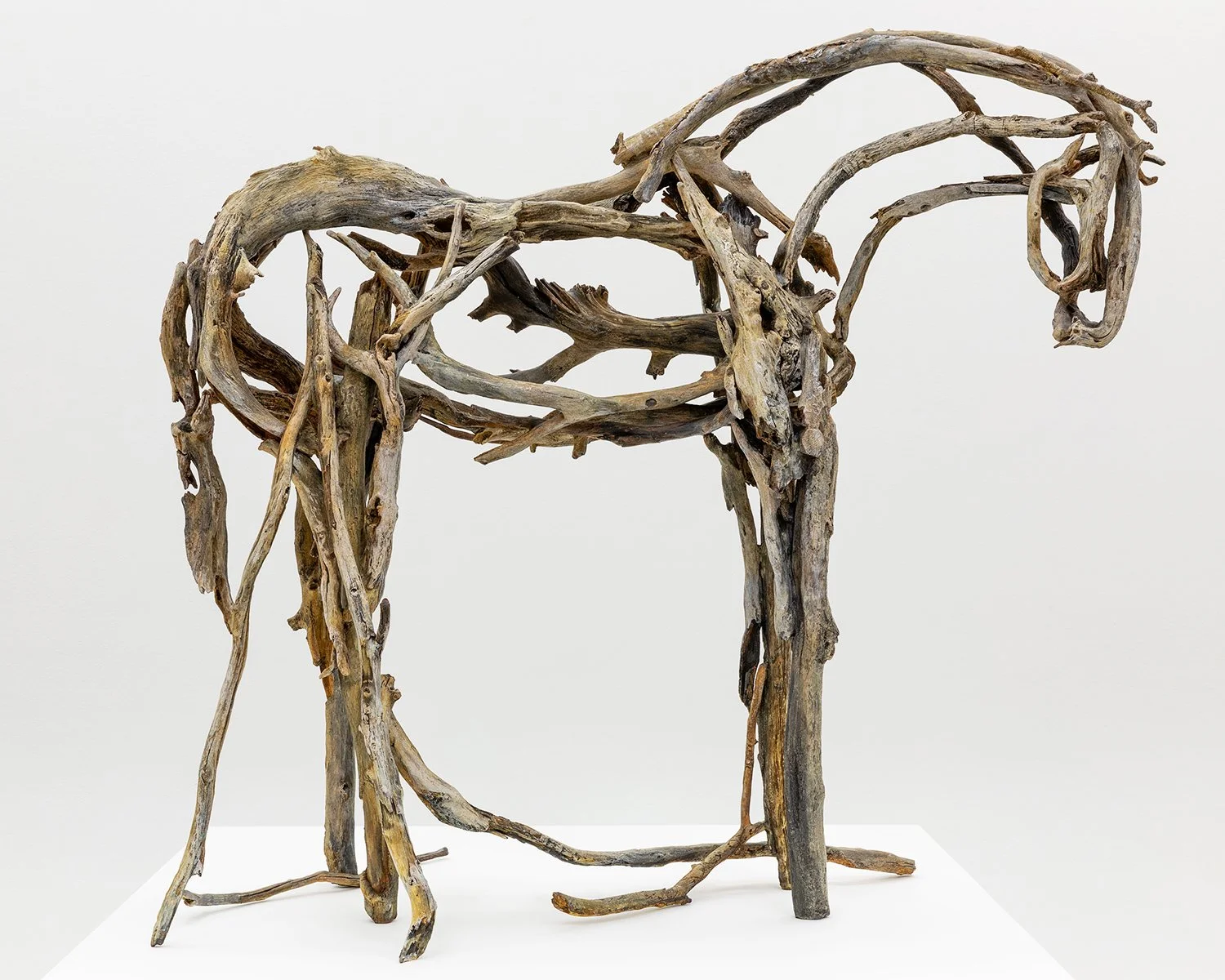 Image 3 of 11
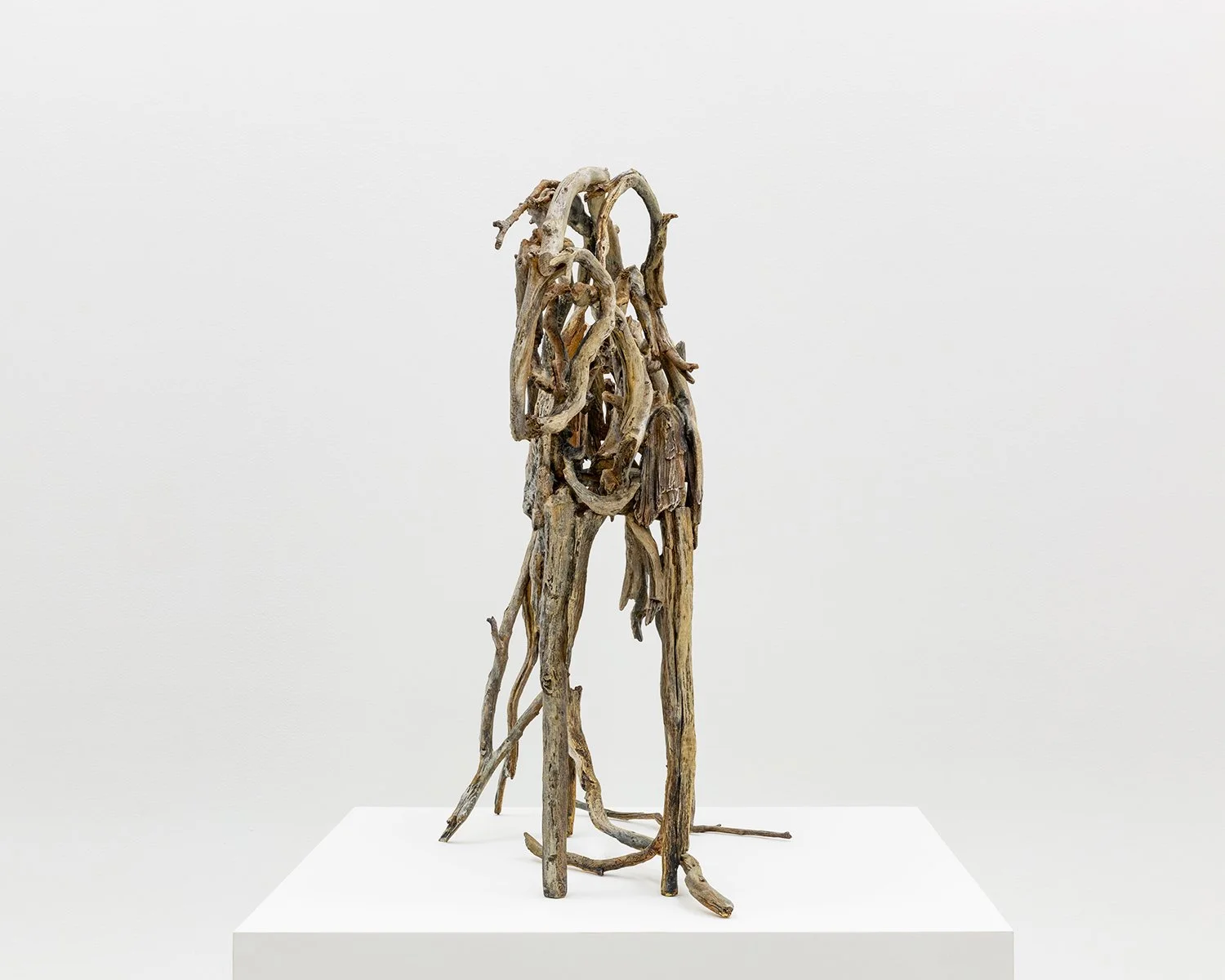 Image 4 of 11
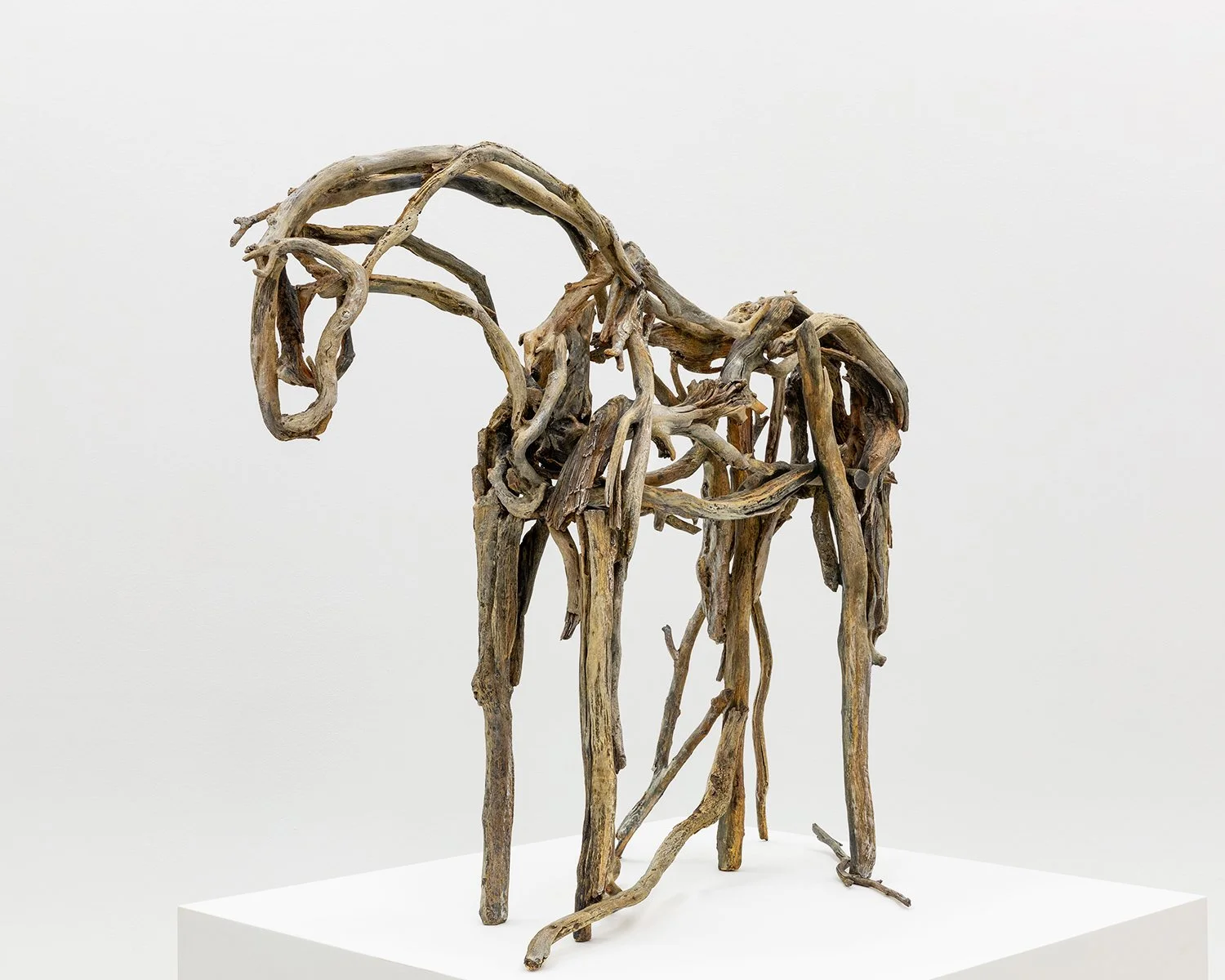 Image 5 of 11
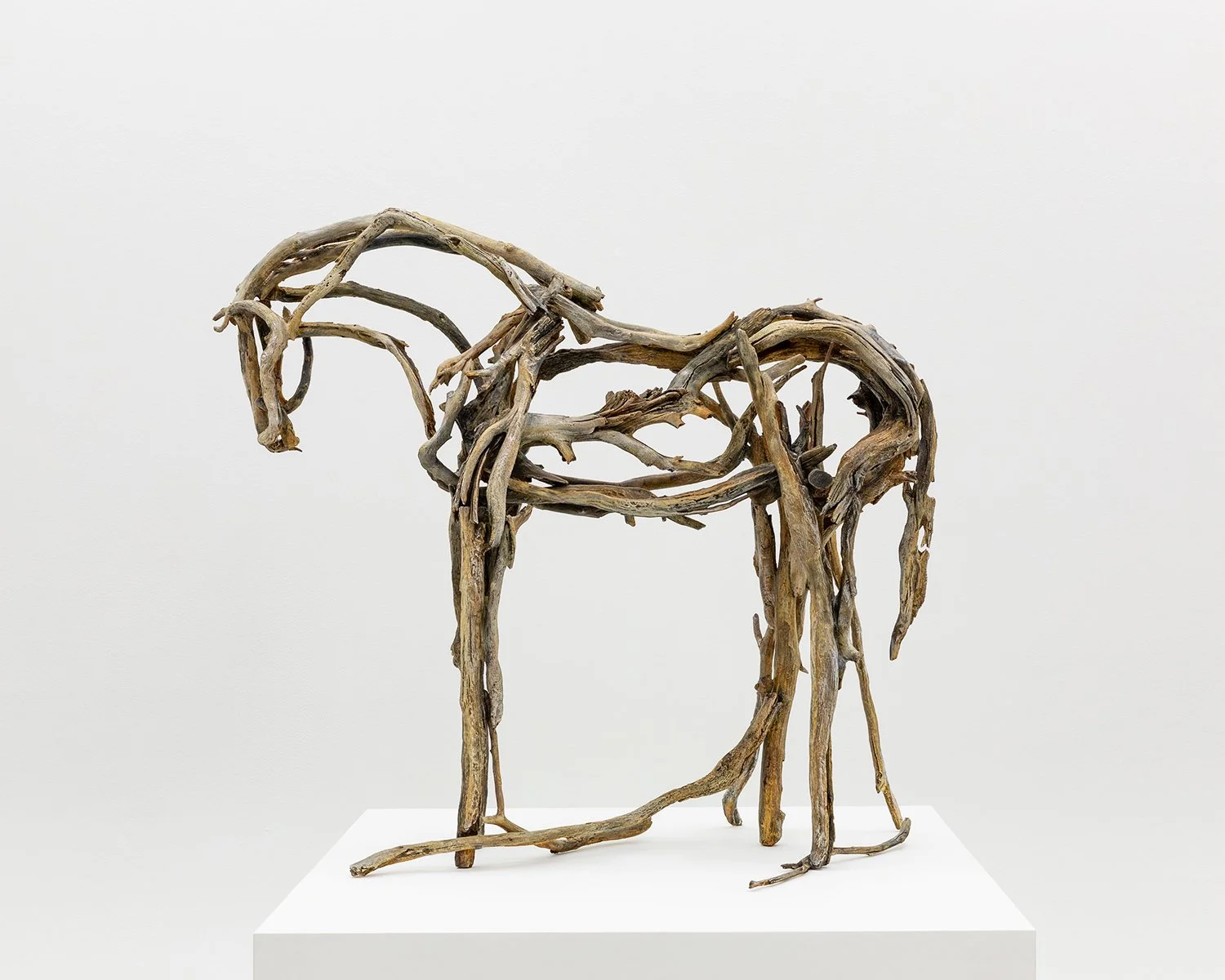 Image 6 of 11
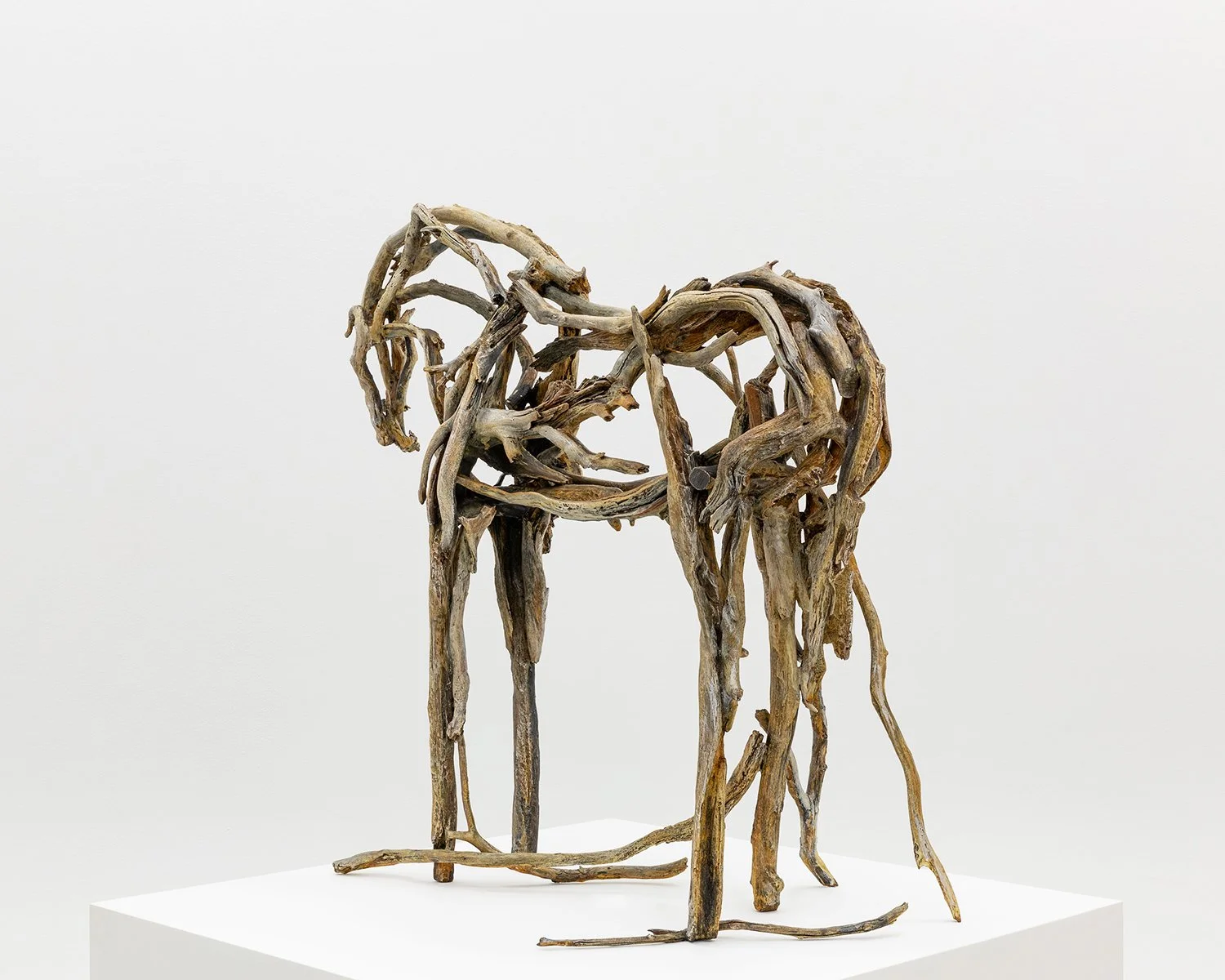 Image 7 of 11
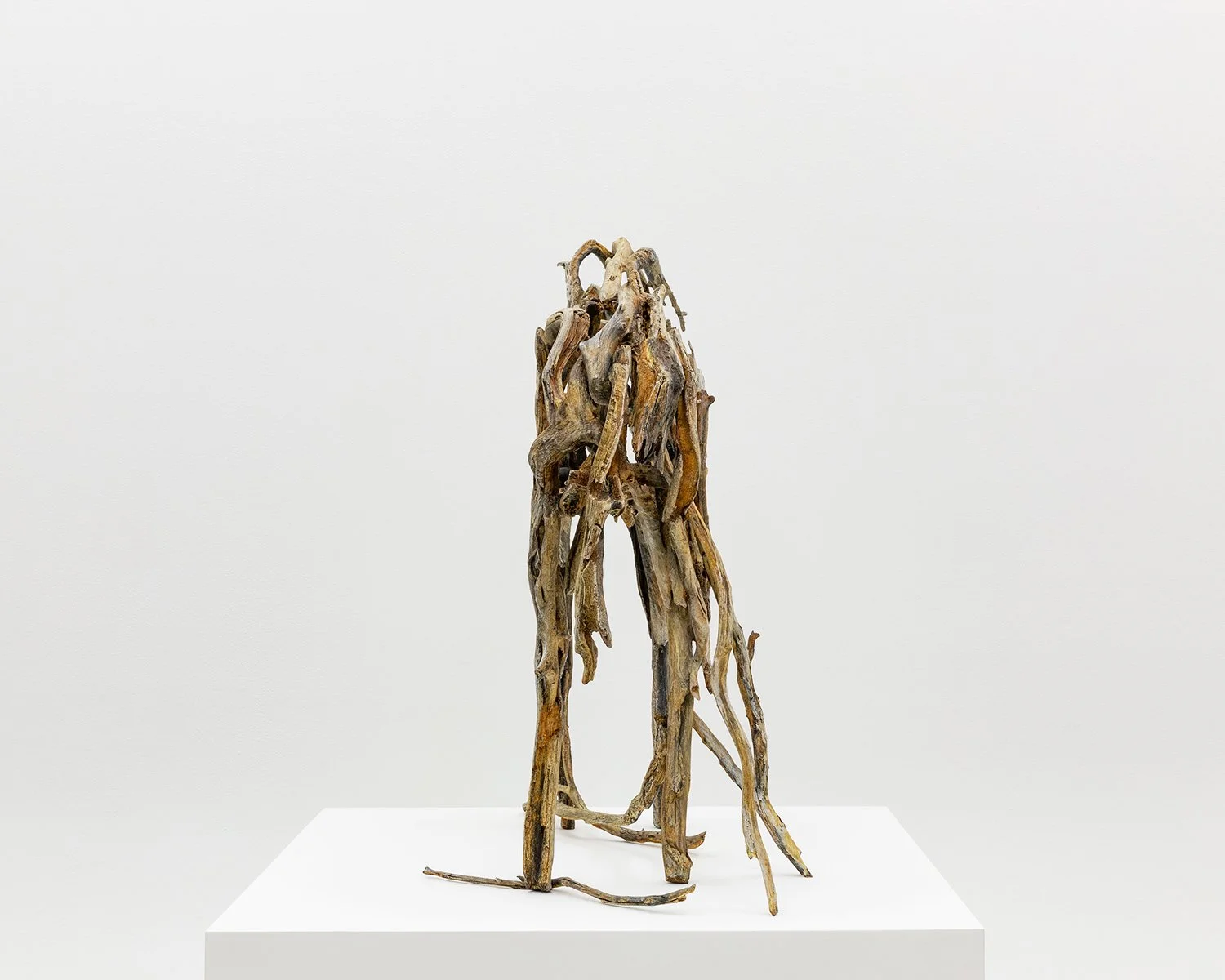 Image 8 of 11
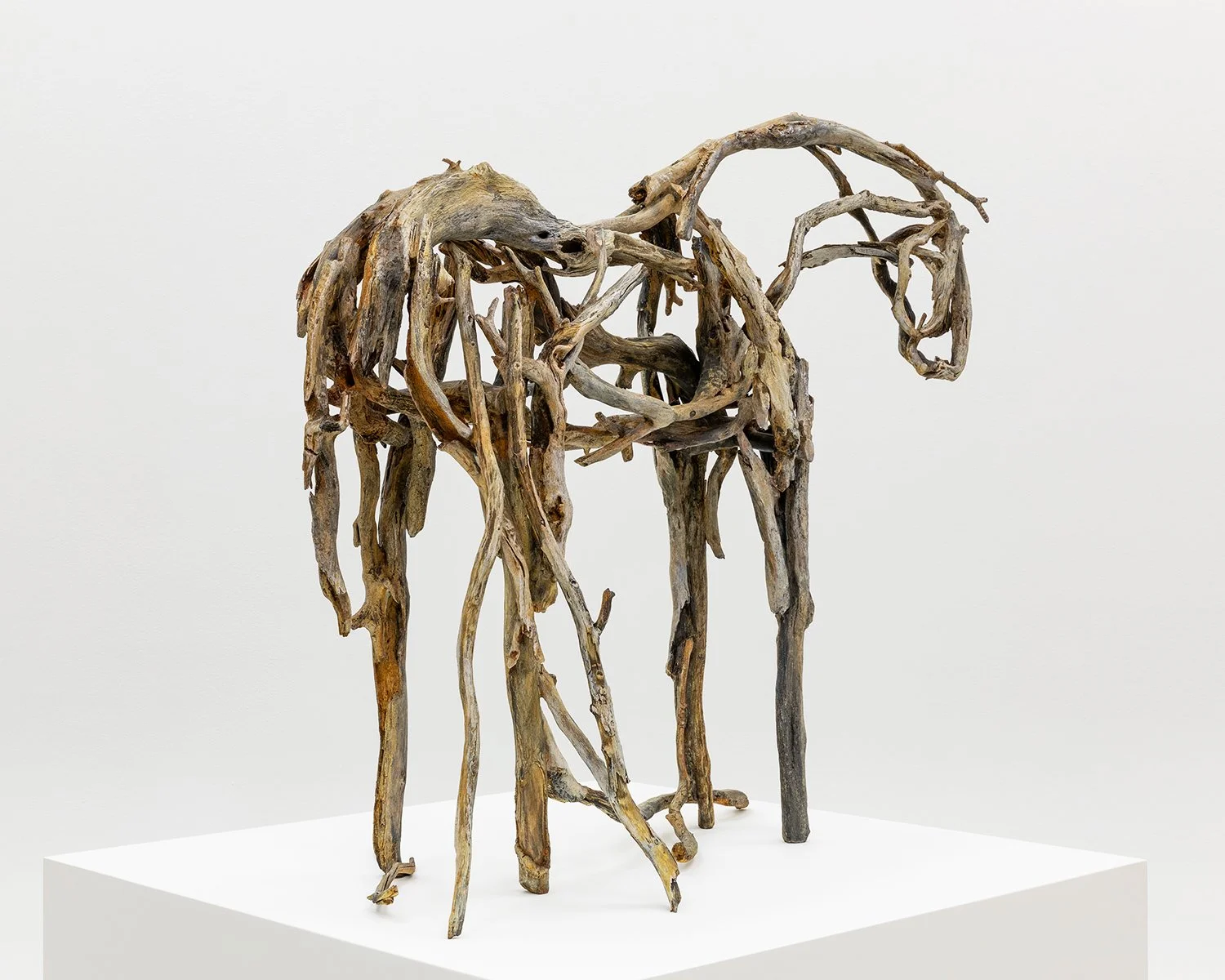 Image 9 of 11
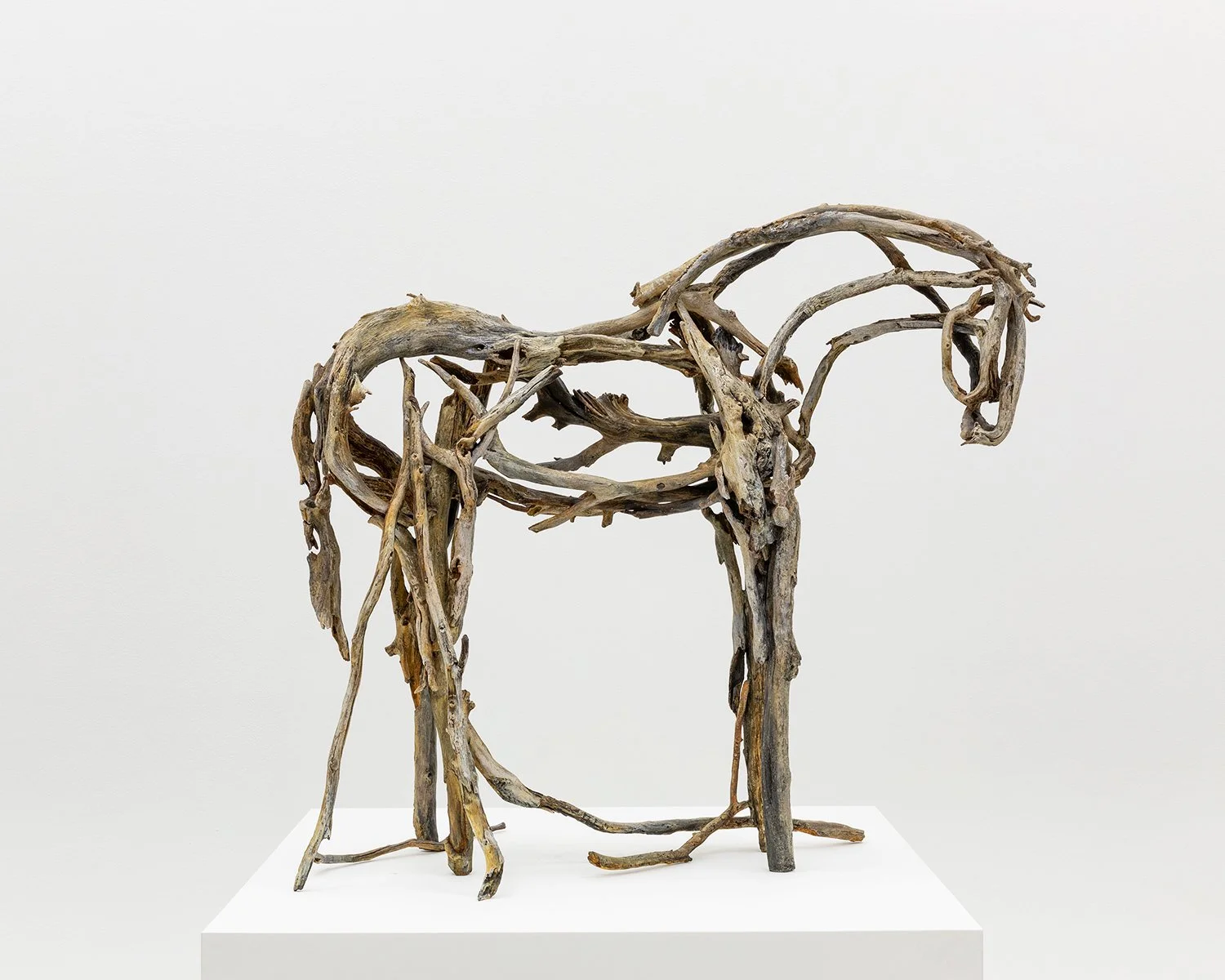 Image 10 of 11
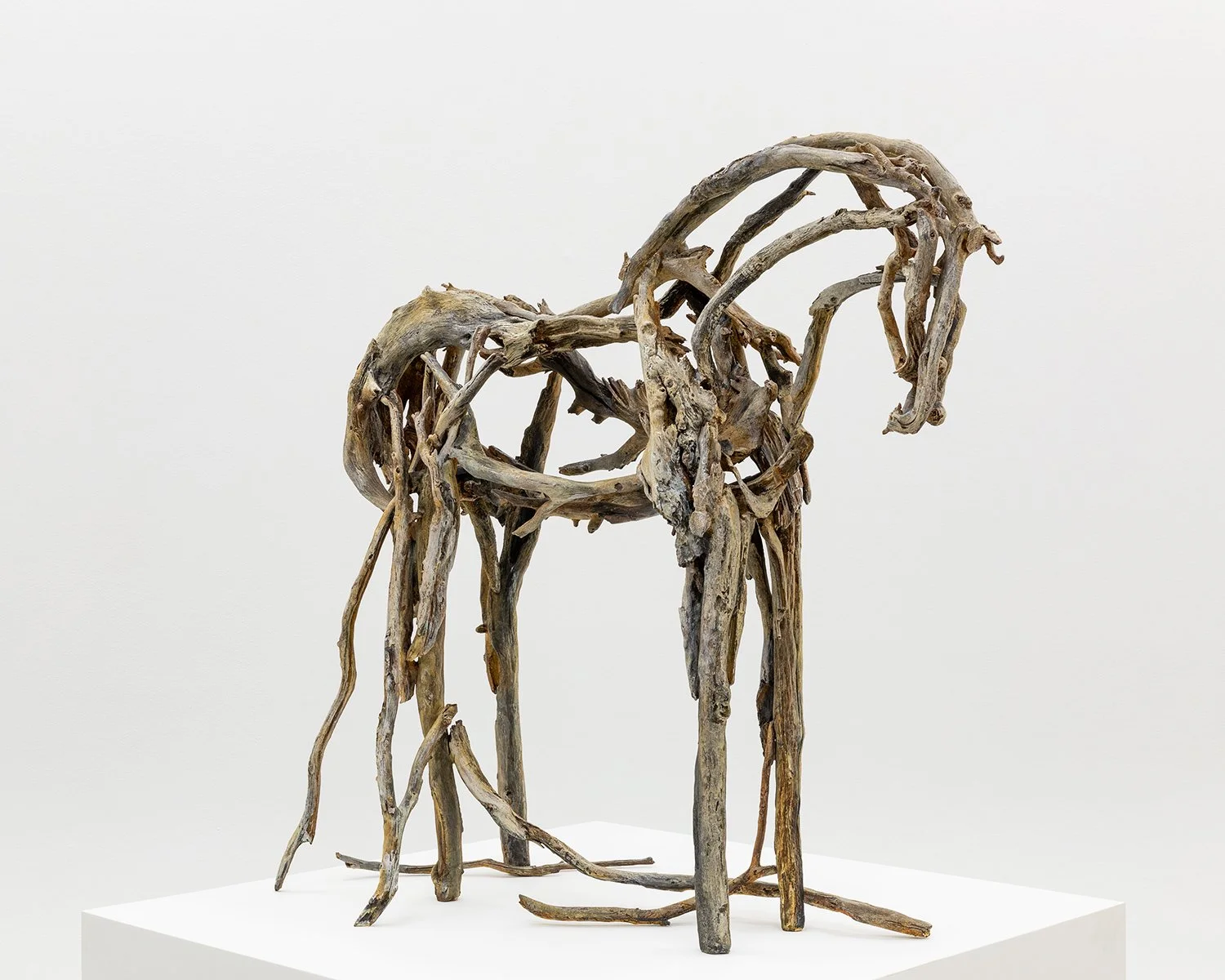 Image 11 of 11
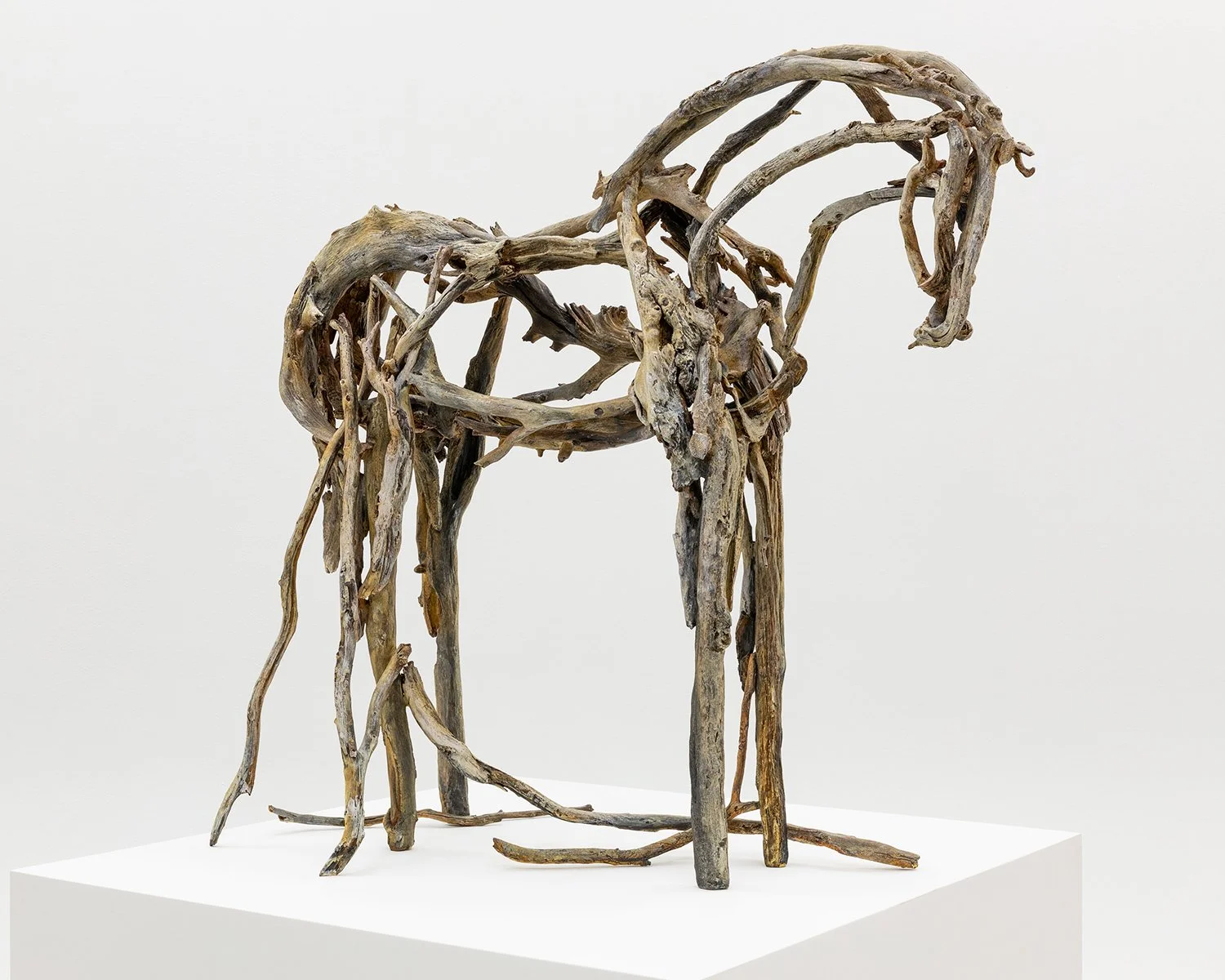
Kī Puka takes its name from the Hawaiian term for an island of older forest surrounded by newer lava flows—a place where mature trees remain as new life begins to emerge around them. Cast in bronze from ʻōhiʻa wood gathered on the artist's property on the Big Island of Hawaiʻi, the sculpture preserves the intricate texture and branching structure of the original wood. While the horse retains the iconic form for which Deborah Butterfield is known, the branches extending across the ground suggest the surrounding forest that defines a kī puka, reinforcing themes of resilience, renewal, and the enduring relationship between the horse and the natural landscape.